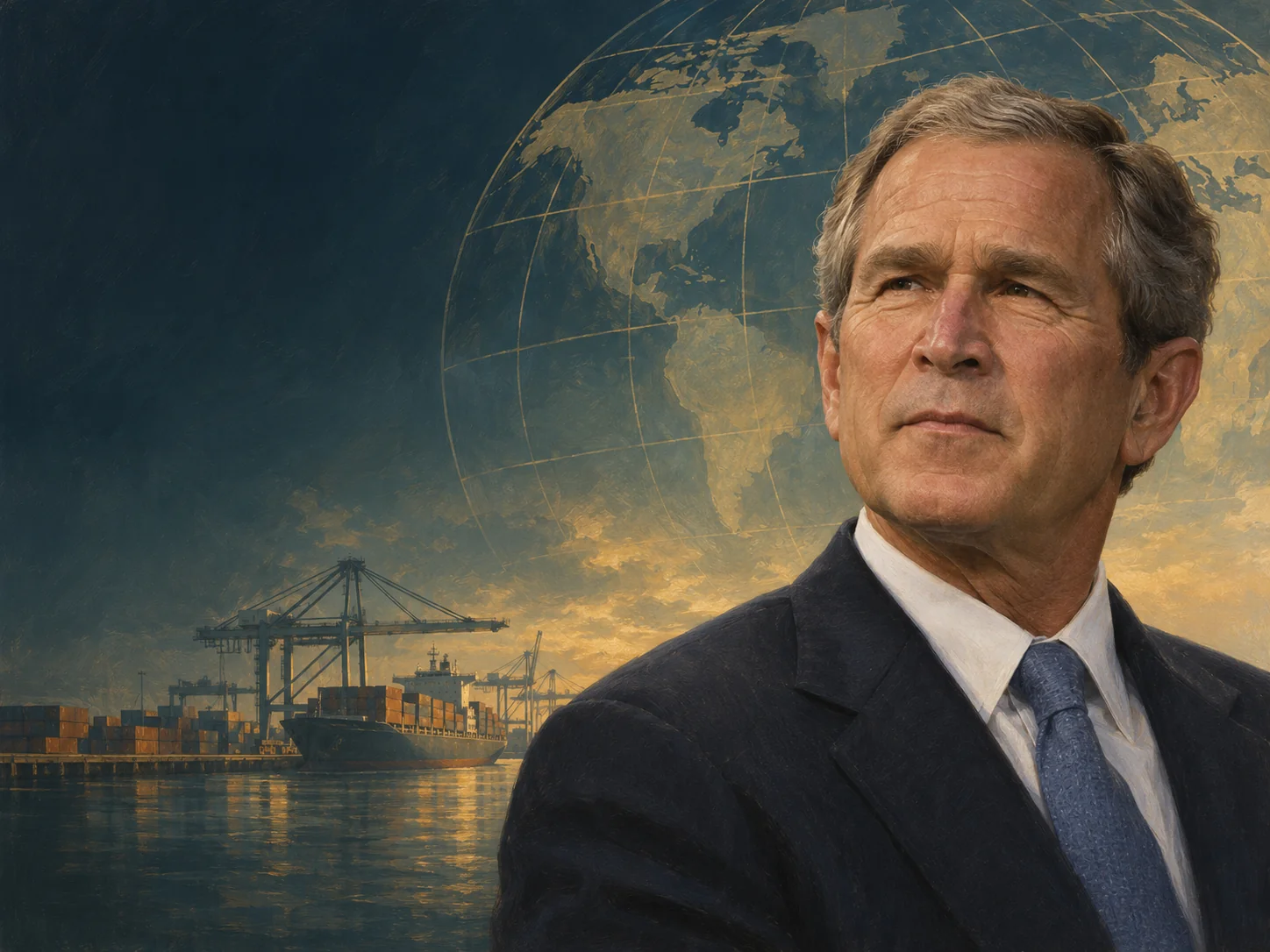
THE HUMAN HISTORY OF GLOBAL CONNECTION
The world changed.
People made it happen.
A journey through 19 periods of U.S. foreign relations, from colonial negotiations to the modern global economy. At every turn, we ask who built the relationship, whose interests it served and how commerce changed the conversation.
Explore the periodsOUR EDITORIAL LENS
A nation’s history,
told through its people.
Diplomacy is often summarized in treaties, administrations and maps. Here, the people come first: an envoy persuading an ally, an entrepreneur crossing an ocean, a negotiator opening a market, a community confronting the costs of expansion.
“Commercial diplomacy” is our interpretive lens across these eras. We do not assume every historic figure used that modern term, or that economic opportunity was shared equally. Each period traces the interaction of foreign relations, trade and the lives affected by both.
FEATURED PEOPLE
Start with the
person.
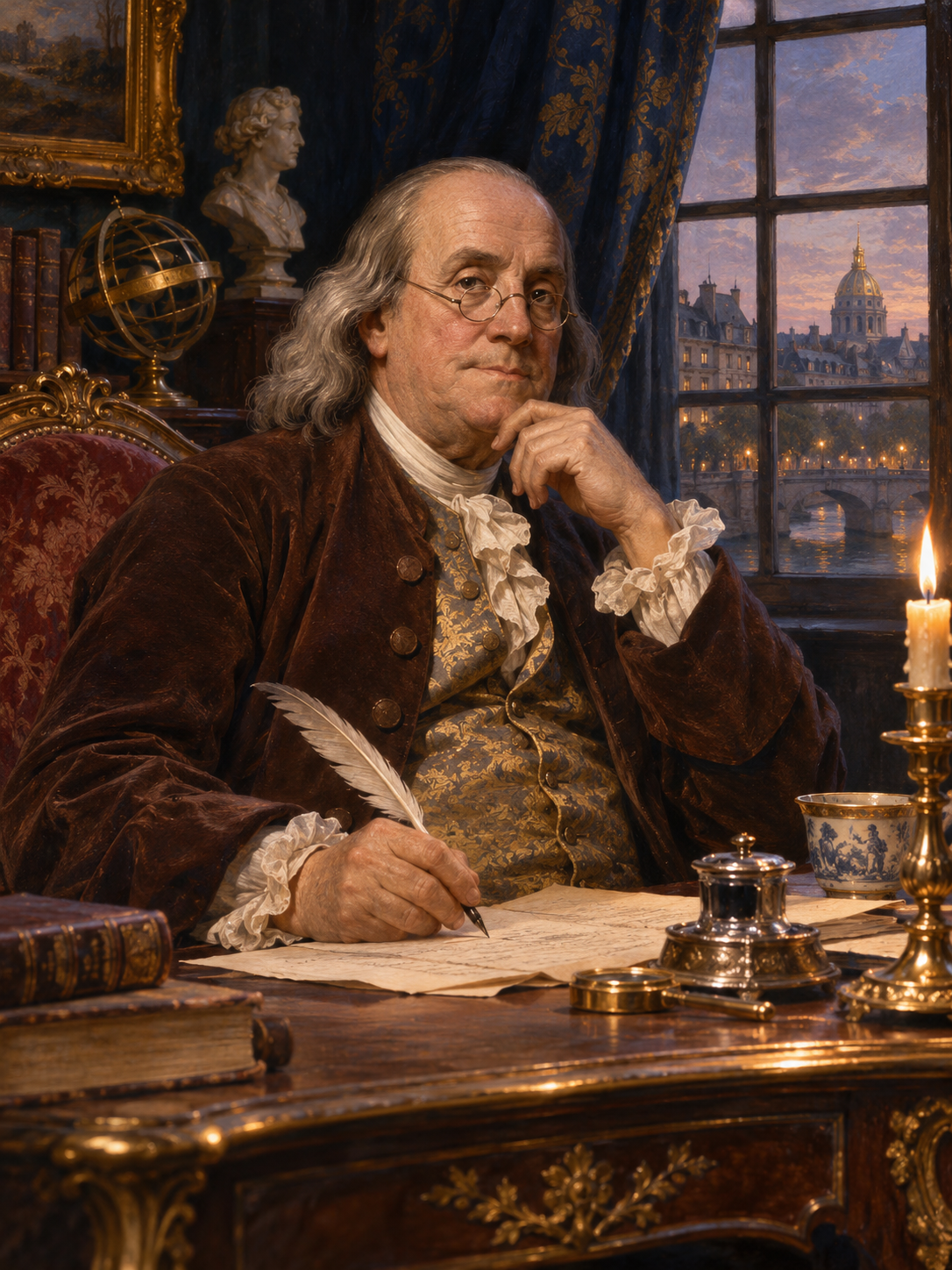
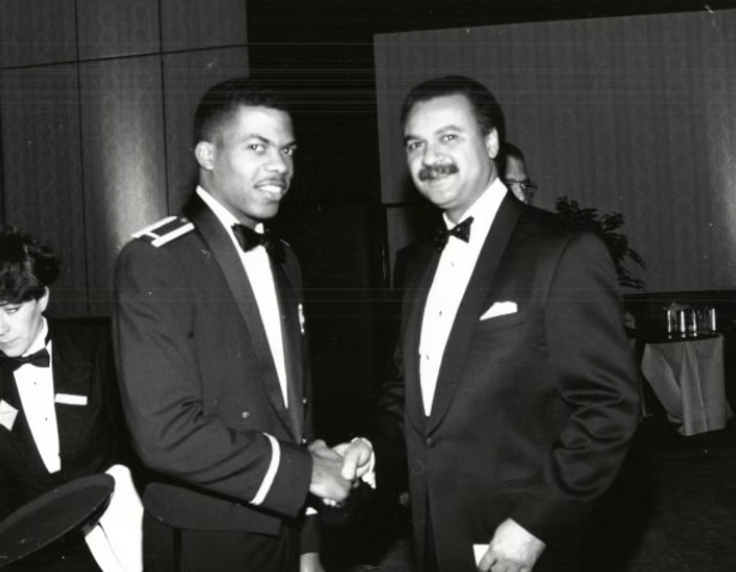
Two lives from very different centuries show how relationships, judgment and public service can shape a nation’s commercial connections.
THE HISTORICAL ATLAS · 1750–2000
Nineteen eras.
Countless connections.
Choose a period to read the people-centered story behind its treaties, trade routes, institutions and turning points.
Founding &
independence
Before there was a U.S. foreign policy, there were colonial agents, merchants and revolutionaries trying to make a place in the world.
Before independence
Franklin’s Albany proposal, colonial trade restrictions and the argument over who could speak for Americans.
Franklin · Haudenosaunee diplomats · merchantsAn alliance across the Atlantic
Franklin, Silas Deane and Arthur Lee turned an insurgency’s appeal to France into an alliance and a treaty of commerce.
Franklin · Deane · LeeBuilding a republic’s place in the world
New voyages, national credit, neutrality and treaties tested how a young republic would trade without surrendering independence.
Shaw · Jay · WashingtonExpansion &
division
American commercial reach grew through purchases, treaties and new routes, even as slavery, dispossession and civil war exposed who paid for growth.
Territory, neutrality and the hemisphere
Jefferson, Madison and John Quincy Adams navigated Atlantic war, continental expansion and new relationships in the Americas.
Jefferson · Monroe · AdamsOpening markets, confronting contradictions
Pacific treaties and cotton commerce expanded U.S. reach while enslavement and forced removal shaped its economy.
Perry · Harris · merchantsCivil war, world opinion
Lincoln and Seward worked to prevent foreign recognition of the Confederacy as cotton, blockade and emancipation carried global consequences.
Lincoln · Seward · AdamsIndustry and the wider world
Railroads, migration, diplomacy in Asia and the Caribbean, and overseas expansion recast the U.S. role in commerce.
Seward · Burlingame · BlaineBecoming a
world power
Access to markets became a stated diplomatic objective. Two world wars then made economic cooperation a question of survival and reconstruction.
Open doors and dollar diplomacy
John Hay’s China policy and the Taft administration’s investment diplomacy linked economic ambition to power abroad.
Hay · Roosevelt · TaftWar and an imagined peace
Neutral trade, wartime supply and the debate over a new international order reshaped American responsibility.
Wilson · Hoover · PageBetween protection and reciprocity
Tariffs and the Depression narrowed possibilities until Cordell Hull championed negotiated trade agreements.
Dawes · Hoover · HullAn economy mobilized
Allied supply, Lend-Lease and the Bretton Woods negotiations made economic strategy part of winning the war and planning the peace.
Roosevelt · White · KeynesRebuilding and organizing trade
Marshall, Truman and Acheson helped build the institutions and recovery programs of a divided postwar world.
Marshall · Truman · AchesonDiplomacy in a
global economy
Cold War rivalry, trade negotiations and accelerating globalization brought business leaders and public officials into closer conversation.
Markets in a Cold War
Foreign assistance, trade promotion and the Moscow exhibition connected economic influence with superpower rivalry.
Eisenhower · Dulles · RandallDevelopment and negotiation
Peace Corps volunteers, new trade authority and the Kennedy Round joined people-to-people ties to market access.
Kennedy · Johnson · ShriverOpening China, adjusting to shocks
The China opening, oil crisis and a new trade law challenged Washington’s assumptions about global interdependence.
Nixon · Kissinger · FordHuman rights and trade diplomacy
Carter’s human rights agenda, China normalization and the Tokyo Round brought values and commerce into negotiation.
Carter · Torrijos · DengCompetition and agreements
Reagan-era trade disputes and bilateral agreements reflected the promise and friction of an integrating economy.
Reagan · Shultz · YeutterAfter the Cold War
Markets in transition and North American negotiations redrew the possibilities of regional and global business.
Bush · Baker · SalinasCommercial diplomacy takes the stage
Ron Brown’s trade missions, NAFTA and the WTO put American business opportunity into the foreground of foreign policy.
Brown · Clinton · BarshefskyA SERIES WITHIN HISTORY
The Presidential Series.
Policy through people.
From Nixon to the present, follow the leaders, diplomats, partner countries and communities behind America’s commercial relationships. Seven full profiles are available, with concise accounts for later administrations in the series timeline.
Explore the Presidential Series